
Pet Dental Services
Texas West Animal Health provides pet dental services for dogs and cats in Santo and the surrounding communities of Palo Pinto County. From routine cleanings to extractions and digital dental X-rays, our team is committed to keeping your pet’s mouth healthy and comfortable at every stage of life.
Why Pet Dental Care Matters

Dental disease is one of the most common health conditions diagnosed in dogs and cats—and one of the most frequently overlooked by pet owners. By the age of three, many pets already show signs of periodontal disease, which can cause chronic pain, difficulty eating, and, in more advanced cases, bacterial spread that may affect other areas of the body, including the heart, kidneys, and liver. Regular dental care isn’t just about a clean mouth. It’s a meaningful part of your pet’s overall health.
At Texas West Animal Health, we approach dental care the same way we approach everything else—with attention to the individual animal in front of us. Our team takes the time to assess your pet’s oral health thoroughly and recommend treatment that addresses what your pet actually needs.
What OurPet Dental Services Include
All dental procedures at Texas West Animal Health are performed under general anesthesia to ensure your pet’s safety and comfort throughout. Here’s what a full dental visit involves:
Oral examination
Before and during the procedure, our veterinarian performs a thorough evaluation of your pet’s:
- Teeth and gumline for signs of periodontal disease
- Oral tissues for abnormalities or masses
- Individual tooth integrity, including fractures or mobility
- Bite alignment and jaw health
If oral concerns were flagged during a recent pet wellness check, this exam will address those findings in full.
Digital dental X-rays
Much of a tooth’s structure lies below the gumline, where problems aren’t visible to the naked eye. Our digital dental X-rays allow us to evaluate the full picture, including:
- Root health and bone loss
- Tooth resorption, which is common in cats
- Abscesses or infection beneath the surface
- Retained or impacted teeth
Professional cleaning and polishing
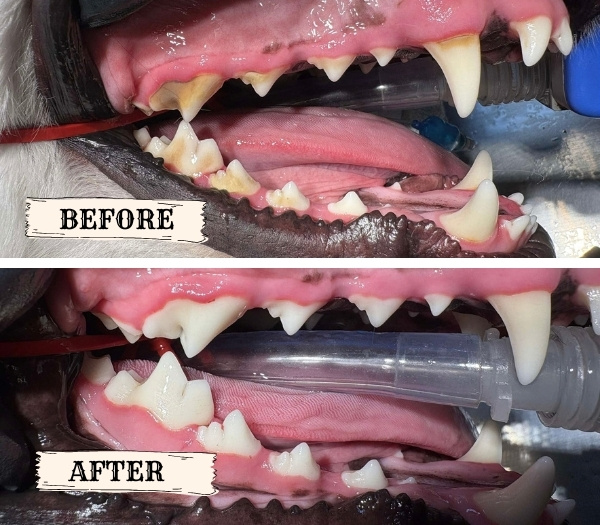
We remove tartar and plaque buildup from the surface of each tooth and below the gumline, then polish the enamel to help slow future buildup between cleanings.
Extractions
When a tooth is too damaged, infected, or compromised to save, extraction is often the most humane and effective option. Our veterinarians perform extractions with care and provide appropriate pain management before, during, and after the procedure. If your pet requires more involved surgical care, our team also provides pet surgical services and can coordinate additional treatment as needed.
Signs Your Pet May Need a Dental Visit
Pets rarely show obvious signs of dental pain—they’re good at hiding discomfort. Some signs to watch for include:
- Bad breath more pronounced than usual
- Difficulty chewing or dropping food
- Pawing at the mouth or face
- Visible tartar buildup or tooth discoloration
- Swollen, red, or bleeding gums
- Reduced appetite or reluctance to eat hard food
- Facial swelling near the jaw or cheek
Many pets have dental concerns identified during their routine pet wellness checks, which is one more reason regular preventive visits matter. If you notice any of the above between appointments, don’t wait—give us a call.
How Consistent Dental Care Makes a Difference
Staying current on your pet’s dental health can have a meaningful impact on their comfort and quality of life. Here’s what routine dental care helps address:
- Periodontal disease: The most common dental condition in dogs and cats; early treatment can help slow its progression and reduce discomfort.
- Chronic oral pain: Many pets live with undetected mouth pain that affects their eating, behavior, and mood—dental care addresses this directly.
- Systemic health risks: Untreated dental bacteria can enter the bloodstream and, in some cases, affect the heart, liver, and kidneys.
- Tooth loss: Regular dental care can help preserve healthy teeth and address damaged or diseased teeth before they cause additional discomfort.
- At-home care effectiveness: Professional cleanings make at-home brushing more effective by giving you a clean baseline to maintain.
- Diet and oral health: The food your pet eats affects their dental health—certain diets and chews can help slow plaque buildup between cleanings. Learn about pet nutritional counseling.
Oral Health Care That Goes the Distance
Dental care doesn’t happen in isolation—it’s one part of a complete picture of your pet’s health. At Texas West Animal Health, the same team performing your pet’s dental procedure also handles their wellness visits, surgical care, and urgent veterinary care when it’s needed. That continuity gives our veterinarians access to your pet’s health history and any known conditions that may factor into how we approach their dental care.
We use digital X-rays and thorough cleaning protocols to evaluate and address dental concerns both above and below the gumline—and we take the time to discuss at-home care strategies so you can support your pet’s oral health between visits. Pet owners across the Santo area trust us to take dental health seriously because we know how much it matters to your animal’s comfort and quality of life.
FAQs About Pet Dental Care
Is anesthesia safe for my pet?
General anesthesia allows our team to perform a thorough dental cleaning, clean below the gumline, take accurate X-rays, and keep your pet still and comfortable throughout the procedure. Our team follows careful protocols before, during, and after anesthesia to monitor your pet closely and minimize risk.
How often does my pet need a dental cleaning?
Most dogs and cats benefit from a professional cleaning once a year, though some pets—particularly small breeds—may need more frequent care due to their dental anatomy. Your veterinarian will assess your pet’s oral health and recommend an appropriate schedule during their wellness check.
Can I do anything at home to support my pet’s dental health?
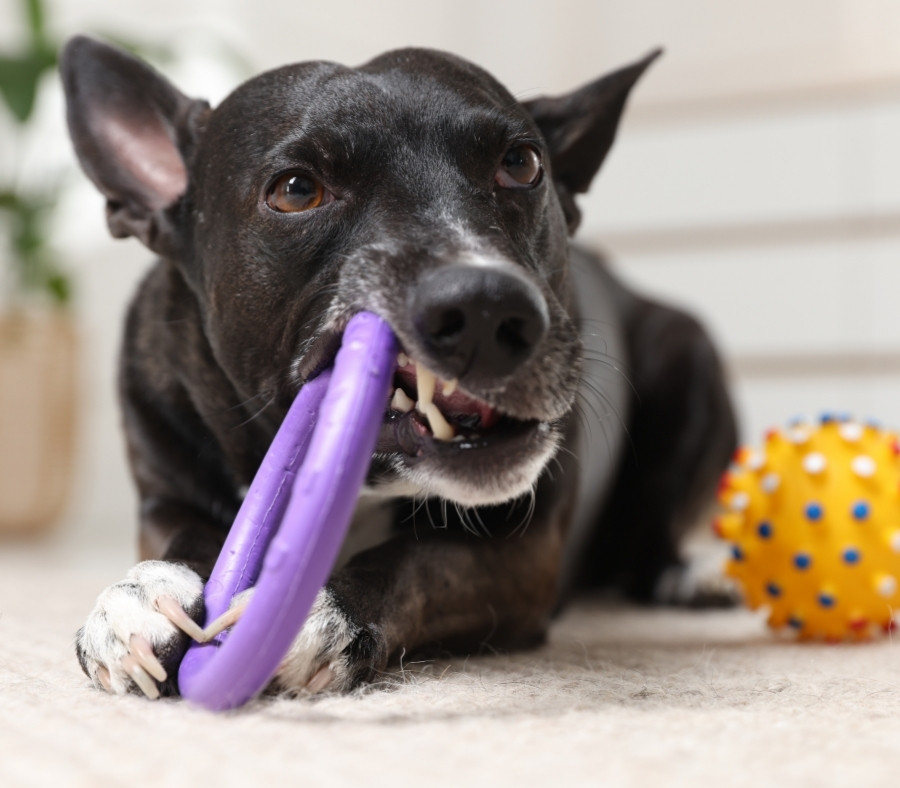
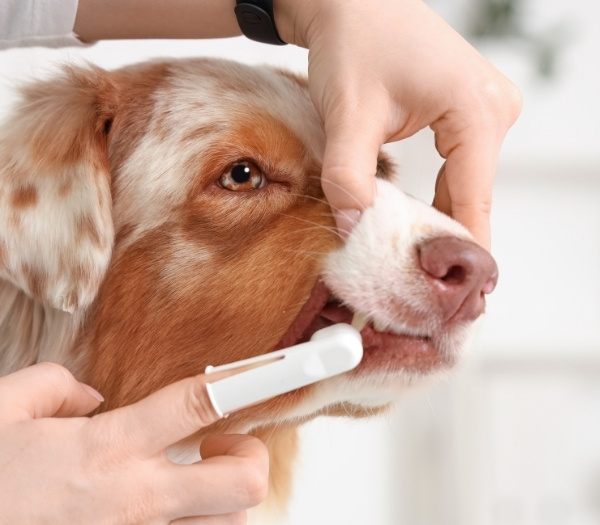
Yes. Brushing your pet’s teeth regularly with pet-safe toothpaste is the most effective at-home method. Dental chews, water additives, and specially formulated diets can also help reduce plaque buildup between professional cleanings. We’re happy to walk you through options that fit your pet’s needs and habits.
My pet is older. Is dental care still appropriate?
Age alone isn’t a reason to skip dental care—in many cases, older pets have more advanced dental disease and benefit significantly from treatment. We evaluate each patient individually and take your pet’s overall health into account when recommending anesthesia and dental procedures. If your senior pet has underlying health concerns, our team will discuss how those factor into our approach.