Pet Nutrition & Weight Management
What your pet eats—and how much—has a direct impact on their energy, organ health, joint comfort, immune function, and overall quality of life. Our team at Texas West Animal Health in Santo is here to help you make informed, practical decisions about your pet’s diet at every stage of life.
Why Pet Nutrition and Weight Management Matter

Our Pet Nutrition and Weight Management Services
Our approach to nutrition and weight management is built around your individual pet—not a generic protocol. Here’s what our services include:
Body condition assessment
Every nutrition conversation starts with an honest evaluation of where your pet is right now. During a nutrition or weight management visit, our veterinarian will assess:
- Current weight and body condition score (BCS)
- Muscle mass and overall body composition
- Coat quality and skin condition
- Energy level, appetite, and any recent changes in either
- Existing health conditions that may influence dietary needs
This assessment gives us a clear baseline and helps us set realistic, healthy goals for your pet.
Pet nutrition counseling
Our pet nutrition counseling services help pet owners navigate diet decisions with confidence. We address:
- Commercial diet evaluation and food selection guidance
- Life-stage nutrition, including the different needs of puppies and kittens, adult pets, and senior animals
- Prescription and therapeutic diets for pets managing chronic conditions such as kidney disease, diabetes, gastrointestinal disorders, or food allergies
- Raw and home-cooked diet considerations, including how to support nutritional completeness
- Treat and supplement guidance—what helps, what’s unnecessary, and what to avoid
- The connection between diet and your pet’s skin and coat health, particularly for pets with recurring dermatological conditions
Pet weight management
If your pet is overweight, our team will work with you to develop a structured, achievable weight loss plan that includes:
- A healthy target weight based on your pet’s breed, age, and body composition
- Caloric intake recommendations tailored to your pet’s specific needs
- Food selection and portioning guidance
- Strategies for managing multi-pet households where one pet needs a restricted diet
- Exercise and activity recommendations appropriate for your pet’s current condition
- Scheduled rechecks to monitor progress and adjust the plan as needed
Weight loss in pets should generally be gradual and monitored appropriately. Rapid weight loss—particularly in cats—can cause serious complications. Our team will help establish an appropriate plan and monitor your pet’s progress.
Nutritional support for pets with health conditions
Nutrition plays a meaningful role in managing many chronic health conditions. Our veterinarians can recommend appropriate therapeutic diets and nutritional strategies for pets managing:
- Kidney or urinary conditions
- Diabetes mellitus
- Gastrointestinal sensitivities or inflammatory bowel disease
- Food allergies and intolerances
- Orthopedic conditions, where appropriate weight management may help reduce stress on the joints
- Heart disease and hypertension
- Dental disease, where diet and chewing habits can affect oral health
Nutritional support for senior pets
As pets age, their nutritional needs shift—and so do the risks associated with poor diet or weight gain. Senior pets may benefit from adjustments to their caloric intake, protein levels, supplements, or diet based on their individual health and nutritional needs. If your senior pet is due for a checkup, nutrition is an important part of what we discuss during a pet wellness check.
Understanding Pet Obesity—Why It’s a Real Health Risk
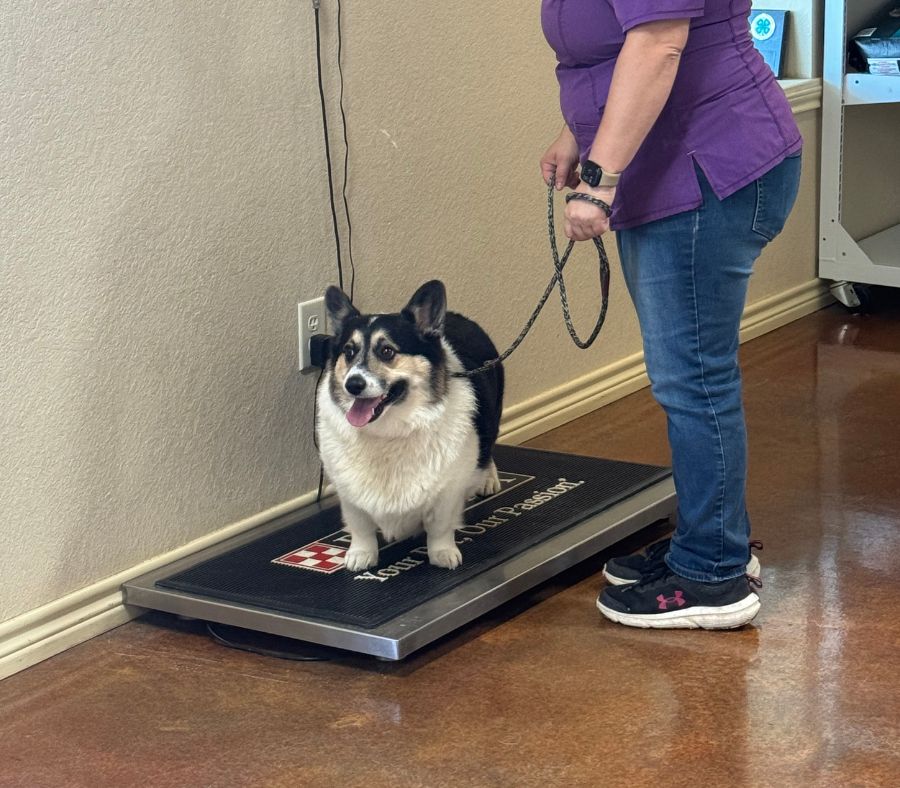
It can be easy to look at a round, happy pet and not see a health problem. But excess weight in dogs and cats carries genuine medical consequences that can reduce both quality and length of life. Here’s how maintaining a healthy weight can support your pet’s health:
- Joint disease and arthritis: Excess weight can place additional stress on your pet’s joints—a particularly significant concern for large breeds and aging pets.
- Diabetes mellitus: Obesity is a major risk factor for diabetes in cats and can worsen insulin resistance in dogs.
- Respiratory difficulties: Overweight pets often have reduced exercise tolerance and, in some cases, develop breathing complications.
- Heart and circulatory strain: Excess body weight may place additional strain on the cardiovascular system.
- Reduced immune function: Nutritional imbalances and obesity can compromise your pet’s immune response.
- Shortened lifespan: Maintaining a healthy body weight can support your pet’s long-term health and longevity.
- Reduced quality of life: Overweight pets are often less active, less playful, and less comfortable—changes that are easy to miss when they happen gradually.
If your pet’s weight has been flagged during a recent wellness exam, please don’t put off addressing it. Our team is here to help—without judgment, and with a plan that’s realistic for your lifestyle.
Nutrition Counseling for Working Dogs and Farm Animals
Texas life often means pets that work for a living—cattle dogs, hunting dogs, and other working breeds have very different nutritional requirements than sedentary companion animals. High activity levels, exposure to outdoor elements, and physical demands mean these animals may have different calorie and nutrient needs than less active companion animals.
Our team understands the demands placed on working dogs in our region, and our pet nutrition counseling takes those demands into account. If you also have livestock with nutritional concerns, our large animal services team can address those needs during a farm-site visit.
Nutrition That Fits Life in Palo Pinto County
Good nutrition advice has to be practical. Recommending a diet that doesn’t fit your budget, your schedule, or the realities of a multi-animal household isn’t helpful—and that’s not how we approach these conversations. At Texas West Animal Health, our pet nutrition counseling is grounded in what’s achievable for our clients across the Santo area and throughout Palo Pinto County.
We offer honest, evidence-based guidance without pushing specific products, and we’ll always explain the reasoning behind our recommendations so you can make informed decisions for your animals. Whether your pet needs a simple dietary adjustment or a structured weight loss program, our team is here to support you through the process.
FAQs About Pet Nutrition & Weight Management
How do I know if my pet is overweight?
The most reliable way is a body condition assessment performed by your veterinarian. At home, you can check whether you can feel—but not see—your pet’s ribs with light pressure, and whether your pet has a visible waist when viewed from above. If you’re unsure, bring it up at your pet’s next wellness visit and we’ll evaluate it together.
How much should I feed my pet?
Feeding amounts depend on your pet’s weight, age, activity level, the specific food you’re using, and any health conditions that affect metabolism. Feeding guidelines on pet food packaging are general starting points and may not reflect your individual pet’s needs. Our team can give you a more accurate recommendation based on your individual pet.
My pet acts hungry all the time. Does that mean I’m not feeding them enough?
Not necessarily. Many pets—especially dogs—are highly food-motivated regardless of how much they’ve eaten. Some medical conditions also cause increased appetite. If your pet seems persistently hungry, mention it at your next visit so we can determine whether it’s behavioral, nutritional, or a sign of an underlying health concern. Learn about pet behavioral counseling.
Are grain-free diets better for pets?
Not inherently. Grain-free diets have been popular in recent years, but research has raised concerns about a potential link between certain grain-free formulations and dilated cardiomyopathy in dogs. We recommend discussing any major dietary change with our team before making the switch.
Can diet actually help my pet’s skin condition?
Yes, in many cases. Food allergies and nutritional deficiencies can both contribute to skin and coat problems. If your pet has a chronic dermatological condition, evaluating their diet is often an important part of the diagnostic process.
How quickly should my pet lose weight?
Healthy weight loss in dogs is generally 1–2% of body weight per week. In cats, it should be even more gradual; rapid weight loss in cats can cause hepatic lipidosis, a serious liver condition. Our team will set a safe target rate and monitor your pet’s progress with scheduled rechecks.
Personalized Nutrition Support for Every Life Stage
Good nutrition looks different at every stage of a pet’s life, and the advice that’s right for a six-month-old puppy is very different from what’s right for a ten-year-old dog managing arthritis. At Texas West Animal Health, we work with pet owners across Palo Pinto County to build nutritional foundations that support long-term health, and we’re here to adjust that plan as your pet’s needs evolve over time.