
Pet Surgical Services
At Texas West Animal Health, we provide pet surgical services for dogs and cats in Santo and the surrounding communities of Palo Pinto County. From routine spays and neuters to soft tissue and orthopedic procedures, our veterinary team delivers attentive, skilled care at every stage.
Veterinary Surgery at Texas West Animal Health

Surgery can feel like a stressful prospect for any pet owner, and we understand that completely. Our goal is to make the process as clear and reassuring as possible—from your first conversation with our team through your pet’s recovery at home. We take every surgical case seriously, regardless of how routine it may be, because every pet in our care belongs to someone who loves them.
Our veterinarians perform a range of pet surgery services in our Santo clinic, and we’re transparent with our clients about what to expect at every stage. If your pet’s needs fall outside the scope of what we offer, we’ll tell you directly and help connect you with the appropriate specialist.
Pet Surgery Services We Provide
Our veterinary surgery team is experienced in a variety of procedures for dogs and cats. Here’s what we offer:
Routine spay and neuter procedures
Spaying and neutering are among the most commonly performed pet surgery services, and we approach them with the same care and attention we give every case. These procedures can support your pet’s long-term health and may be recommended based on your pet’s age, breed, lifestyle, and individual needs. If your pet is due for a pet wellness check, that visit is a good time to discuss whether spay or neuter is appropriate and when to schedule it.
Routine spay and neuter procedures include:
- Pre-surgical physical evaluation and bloodwork review
- General anesthesia with continuous monitoring
- Surgical sterilization of female (spay) or male (neuter) animals
- Pain management before, during, and after the procedure
- Detailed post-operative care instructions
Soft tissue surgery
Our veterinarians perform a variety of soft tissue veterinary surgery procedures for dogs and cats, including:
- Ocular procedures: Surgeries involving the eyes and surrounding structures
- Nasal procedures: Addressing nasal passage abnormalities or obstructions
- Abdominal procedures: Including exploratory surgery, mass removals, and organ-related interventions
- Skin and wound repair: Laceration closures, mass excisions, and wound reconstruction
Soft tissue cases vary widely in complexity, and we approach each one with a tailored plan based on your pet’s specific condition and overall health. If your pet has a skin mass that needs evaluation before surgery, our team can assess it as part of our pet dermatology services.
Basic orthopedic surgery and repairs
We offer basic orthopedic pet surgery services for injuries and conditions affecting your pet’s bones and joints, including:
- Fracture repairs
- Joint stabilization procedures
- Injury-related orthopedic corrections
Our team will evaluate your pet thoroughly to determine whether an orthopedic procedure is the right course of action or whether a referral to a specialist better serves your pet’s needs. We’ll always be upfront about which path is most appropriate for your pet’s needs.
Anesthesia and pain management
Every surgical patient at Texas West Animal Health receives individualized anesthesia and pain management tailored to their species, size, age, and health history. We monitor our patients continuously throughout every procedure and prioritize comfort during recovery. Pets with a history of dental procedures at our clinic already have anesthesia records on file—something our team uses to inform surgical planning.
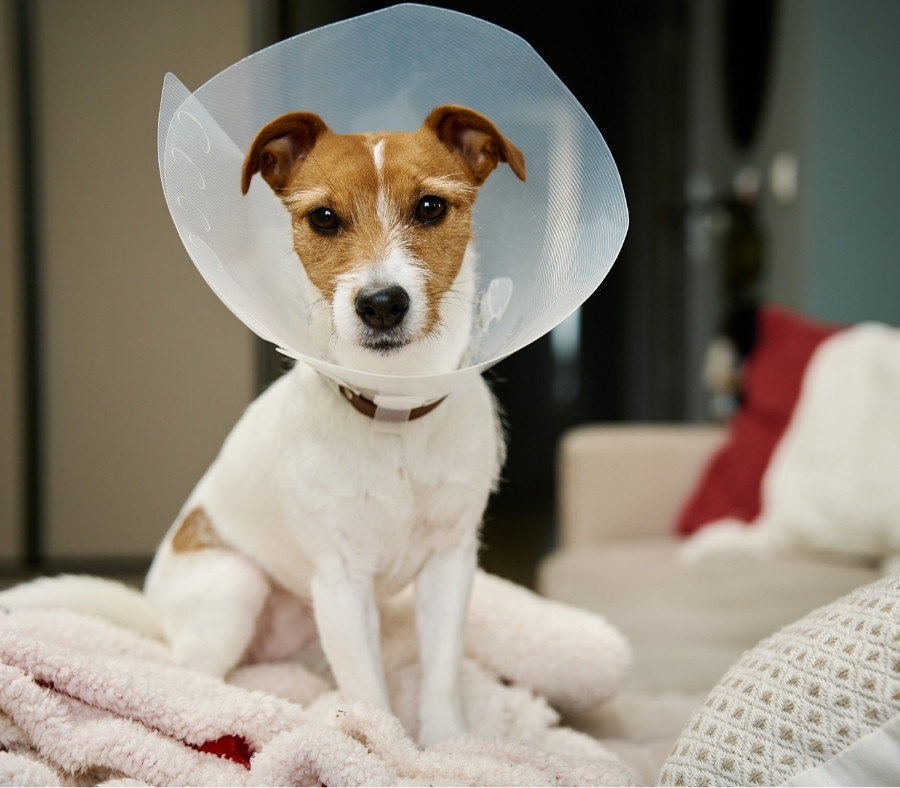
What to Expect Before, During, and After Surgery
Understanding what the surgical process looks like from start to finish can make a stressful situation easier to navigate. Here’s how we approach every pet surgery case:
Before surgery:
- A pre-surgical physical exam to help assess your pet’s overall health and anesthetic risk
- Pre-surgical bloodwork as recommended based on your pet’s age and health history
- A thorough conversation with your veterinarian about the procedure, expected outcomes, and risks
- Fasting instructions to follow at home before the procedure
- Completion of our surgical consent form, which you can review and sign online in advance
- Continuous anesthesia monitoring throughout the procedure
- Real-time vital sign assessment by our veterinary team
- Careful attention to pain management from the moment your pet is sedated
After surgery:
- A full post-operative briefing before you take your pet home
- Written aftercare instructions including activity restrictions, wound care, and medication schedules
- Guidance on what signs to watch for during recovery
- Our phone number and availability for any questions that come up at home
Why Preparation Matters for Veterinary Surgery
Clear communication and preparation help make surgery easier to navigate for both pets and their owners. Here’s why our approach to pet surgery services matters:
- Pre-surgical screening: Bloodwork and physical evaluation can help identify underlying conditions that may affect anesthesia or recovery.
- Individualized anesthesia: There’s no one-size-fits-all protocol—age, breed, weight, and health history all factor into how we manage your pet’s sedation.
- Pain management: Proactive pain control—not reactive—keeps your pet more comfortable and supports a smoother recovery.
- Clear communication: Pet owners who understand what to expect at home are better equipped to monitor recovery and recognize warning signs early.
- Continuity of care: Pets whose full health history we know through ongoing wellness are safer surgical candidates because we’re not starting from scratch.
- Urgent care coordination: If post-surgical concerns arise, the same team that performed your pet’s procedure is available during clinic hours for urgent veterinary care—no need to explain your pet’s history to someone new.
- Weight before surgery: Overweight pets carry a higher surgical and anesthesia risk. If your pet needs a planned procedure, addressing weight via our nutrition and weight management services beforehand can improve outcomes.
Spay and neuter procedures can, in some cases, reduce hormonally driven behavioral concerns—if your pet’s behavior has been a factor in your decision, mention it during your pre-surgical consultation.
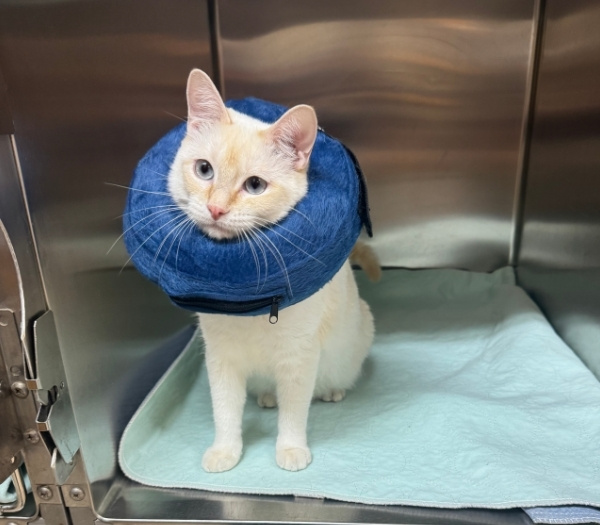
Trusted Pet Surgery Services for Palo Pinto County
Surgical care is one of the most trust-dependent things we do, and we don’t take that lightly. At Texas West Animal Health, the same practice that provides your pet’s surgical care also supports their wellness, dental, and day-to-day medical needs.
From routine spays and neuters to more involved soft tissue and orthopedic procedures, our team brings experience, precision, and genuine care to every case. Pet owners throughout Palo Pinto County trust us with their animals’ surgical needs, and we’re honored to be the practice they call when it matters most.
FAQs About Veterinary Surgery
How do I know if my pet needs surgery?
Your veterinarian will recommend surgery when it is the most appropriate treatment for your pet’s condition. In some cases, this comes up during a pet wellness check or urgent visit; in others, it’s a planned procedure discussed in advance. We’ll always explain our reasoning and make sure you feel comfortable with the recommendation before moving forward.
Do I need to do anything to prepare my pet for surgery?
Yes. In most cases, your pet will need to fast—no food—for a period of time before their procedure. We’ll provide specific instructions when you schedule. Please follow fasting guidelines carefully, as eating before anesthesia can create serious risks.
What does post-surgical recovery look like?
Recovery varies depending on the type of procedure. We’ll send you home with detailed written instructions covering activity restrictions, wound monitoring, and medication schedules. Many pets recover at home with appropriate rest, monitoring, and follow-up care.
Does my pet need a pre-surgical exam?
Yes. We require a physical exam before scheduling most surgical procedures, and we may recommend pre-surgical bloodwork depending on your pet’s age and health history. This helps us assess your pet’s overall health and anesthetic risk so we can plan appropriately.
What if my pet needs a specialist?
We will always be honest with you about what we can and can’t do. If your pet’s condition calls for a board-certified surgeon or specialist, we’ll let you know and help connect you with the appropriate provider.